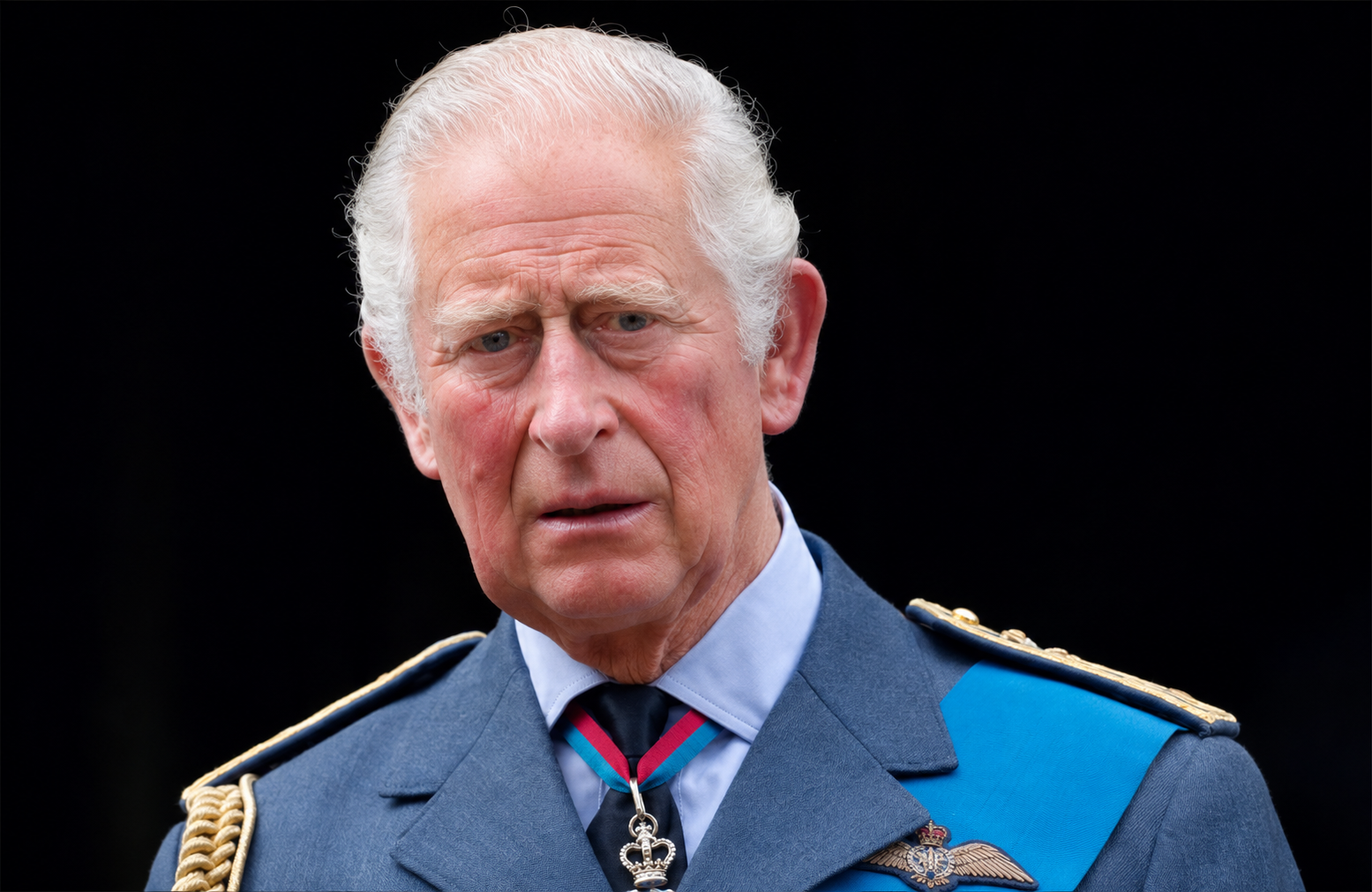
King Charles Health Rumors Resurface as Operation Menai Bridge Draws Attention
Claims About Funeral Planning Have Fueled Speculation About the King’s Condition
Claims from unnamed sources about King Charles III’s health have drawn renewed attention to Operation Menai Bridge, the reported codename for planning his eventual funeral. The accounts allege that the king’s condition is more serious than publicly acknowledged and that palace staff have reviewed ceremonial arrangements. The palace has denied speculation about grave illness.
The rumors bring together three subjects that invite different questions. The first is what the palace has said about the king’s health. The second is what officials may have prepared for an eventual state funeral. The third is how Prince William’s public responsibilities are changing. Each can attract attention on its own, and none supplies a reliable answer about how Charles is doing in private.
What the Reports Say About Charles’s Health
Unnamed sources have described Charles as “still very sick,” with some alleging that his condition has deteriorated more quickly than the public has been told. A former court official quoted in a tabloid expressed concern that the seriousness of his illness had been understated. These are attributed claims about the king’s health, and the accounts provide no medical records or named clinician’s assessment to substantiate them.
The palace’s public position describes Charles as stable and receiving care. That is the position the palace has chosen to communicate. The unnamed accounts offer a different description, with little detail that would let readers assess when the observations were made or what the sources knew firsthand.
Changes to a public schedule can draw close scrutiny when a monarch’s health is already a subject of interest. A postponed appearance tells the public that an engagement changed. The reason for that change requires a separate explanation. Without one, a gap in the diary leaves plenty of room for people to supply an account of their own.
Operation Menai Bridge Refers to Reported Funeral Arrangements
The name Operation Menai Bridge appears in reports about preparations for Charles’s eventual funeral. Those accounts describe a plan that could encompass the procession, transport, security, guest arrangements and the military personnel involved in the ceremony. Some also claim that staff have rehearsed parts of the proceedings and considered alternate routes or venues.
A ceremony involving several locations and groups of people would require decisions about timing, access and who is responsible at each stage. Alternate arrangements would give organizers a way to respond if one location or route became unavailable. Those are the kinds of logistical questions the reported plan is said to address.
Specific claims about private rehearsals and backup plans remain unconfirmed. The reports also provide little basis for judging when any preparations began, whether they have recently changed or what might have prompted a review. A reported planning activity gives readers information about what staff may be preparing for. It supplies no medical timeline.
Reports Describe Personal Wishes About Music and Readings
Some accounts say Charles has discussed hymns, readings and the order in which parts of the ceremony would take place. They also suggest he has expressed preferences about which relatives might speak and how the procession would unfold. Other claims concern which moments might be broadcast and how much ceremonial display he would want.
Those details have attracted interest because they concern choices a person might make about how they wish to be remembered. Music can give a ceremony a personal connection to the life it commemorates. A reading can carry meaning for the family as well as for the person who chose it. Such preferences would be a different part of planning from schedules, security or transport.
The reports give little grounds for assigning Charles a motive. A preference about a hymn would reveal something specific about the ceremony he wanted, if the account were confirmed. More sweeping claims about his efforts to control his legacy go beyond what that detail could establish. The balance between personal wishes and public ceremony would become clear through arrangements announced officially.
Prince William’s Public Role Has Become Part of the Discussion
Attention has also turned to Prince William as he takes on more visible royal duties. Some observers read his public engagements as a sign that the household is preparing him for greater responsibilities. Others have used the term informal regency to describe how they interpret his role. The accounts give no indication of a formal transfer of authority.
William’s appearances are observable. The reasons individual engagements are assigned to him are less clear from the outside. An heir can represent the Crown at ceremonies and support institutions associated with it while the monarch continues to carry out his own responsibilities. To establish a change in authority would require information about what duties had transferred and under what arrangements.
Claims about how William and Charles privately feel about the division of duties are harder to assess. Unnamed sources portray William as cautious about overstepping and Charles as determined to remain active. Those descriptions concern private judgments that neither the timing of an engagement nor the frequency of public appearances can establish on its own.
Queen Elizabeth II’s Funeral Shapes Expectations About What Comes Next
The ceremonies following Queen Elizabeth II’s death gave the public a recent example of the scale of a monarch’s funeral. People remember the procession, the involvement of military personnel and the attention paid to the order of events. Those memories help explain why reports about a codename, a route or a rehearsal can quickly attract attention.
They also give people a reference point when they hear claims that Charles has expressed personal preferences. A future ceremony would have its own choices about music, readings and the people taking part. The public can recognize the scale of what such an occasion might involve while awaiting confirmation of its particulars.
What Remains Uncertain About the King’s Condition
The available accounts leave important questions open. They do not establish how Charles’s health has changed, which ceremonial preferences he has expressed or whether any reported planning has recently intensified. The palace has rejected speculation about grave illness, while unnamed sources have offered a more serious account without information that would allow readers to verify it.
Future statements about the king’s health, official announcements about his duties and any confirmed ceremonial arrangements would answer different questions as they arise. For now, Operation Menai Bridge is a reported name for funeral planning. William’s engagements show the work he is carrying out in public. Charles’s medical outlook remains a matter on which the rumors provide no reliable conclusion.
King Charles III Beyond the Health Rumors: A Life Shaped by Duty and Public Scrutiny
His Years of Public Service Provide a Wider Context for the Headlines
Public discussion of King Charles III’s health often focuses on what may happen next. His life offers a longer perspective: decades spent supporting charities, promoting environmental causes and preparing for a constitutional role he eventually assumed in September 2022, following the death of Queen Elizabeth II. Those activities help explain the interests he brought to the monarchy and the work associated with his name.
Understanding that background also requires care about the present. A confirmed engagement can establish where the king appeared and what he did. A statement about treatment can establish what he has chosen to disclose. Neither provides unrestricted access to his private circumstances.
His Cancer Announcement Introduced a New Chapter in His Public Life
Buckingham Palace announced Charles’s cancer diagnosis on February 5, 2024. The statement explained that a separate concern had been identified during a hospital procedure for benign prostate enlargement and that subsequent tests had found cancer. It also said he would postpone public engagements while continuing state business and official paperwork.
That distinction matters when assessing accounts of his responsibilities. A reduction in appearances did not mean that all work had stopped. The announcement described changes to the public part of his schedule while retaining duties carried out away from cameras.
Charles later provided a more encouraging update. In a message supporting Stand Up To Cancer on December 12, 2025, he said his treatment schedule could be reduced in the new year. He attributed that development to early diagnosis, effective intervention and following medical advice. The announcement described a treatment milestone; it did not establish that he had been cured.
Recent Official Records Document His Continued Work
The royal household’s Court Circular recorded Charles holding an investiture at St James’s Palace on November 11, 2026, before visiting the Francis Crick Institute for its tenth anniversary. During the visit, he met researchers and staff and saw work involving cancer research.
Such records provide firmer ground than interpretations of photographs or anonymous descriptions of palace life. They document particular activities on particular dates. Their limits are equally clear: attending an event does not disclose a person’s diagnosis, treatment response or medical outlook.
For readers following his health, this leaves a continuing distinction between the work visible in public and information available only to his medical team and those he chooses to inform.
Helping Young People Became a Lasting Part of His Work
One of Charles’s most substantial charitable projects began long before his accession. He established the Prince’s Trust in 1976 to help young people facing disadvantage build opportunities through education, employment and enterprise. In 2023, the royal household announced that the organization would become the King’s Trust. At that point, it reported having helped more than a million young people across the United Kingdom.
The significance of that work extends beyond royal appearances. Training, support in finding employment and help with starting a business concern decisions that can shape a young person’s future. They also provide concrete ways to assess a charitable institution: through the opportunities it offers and the experiences of those who use them.
His Environmental Interests Began Decades Before His Reign
Charles’s concern for the environment also has a long public record. In February 1970, at the age of 21, he spoke about the damaging effects of plastic pollution. His subsequent environmental work has included attention to forests, wildlife, soil, food production and the resources future generations will depend upon.
These interests help explain why sustainability appears repeatedly in accounts of his public life. They developed over many years and connect with his broader involvement in rural communities and the built environment.
Assessing their effect requires looking beyond the prominence of a speech. The relevant questions concern which projects received support, what those projects achieved and whether their work continued.
His Reign Can Be Examined Through More Than Speculation
Charles brought an established range of interests to the throne, including the arts, healthcare, education and community life. The royal household identifies these alongside the environmental and charitable causes he supported as Prince of Wales.
Health remains an understandable part of public interest in the king. It affects questions about his schedule and the responsibilities he can undertake. But claims about funeral arrangements cannot resolve those questions medically.
A fuller account of Charles therefore rests on several kinds of evidence: his own statements, documented engagements and the institutions he has helped build. Each reveals something about his life. None justifies filling the remaining gaps with certainty.
His Accession Changed the Nature of His Public Responsibilities
When Charles became king on September 8, 2022, he entered a role different from the one he had occupied as Prince of Wales. His decades of charitable involvement remained part of his background, but accession placed the responsibilities of the sovereign at the centre of his public life. The transition followed the death of his mother and brought personal bereavement together with a major institutional change.
That combination gives his reign a particular context. He arrived at the throne with interests already familiar to the public and organizations that had developed over many years. People could compare his conduct as king with the public figure they had previously known.
Such comparisons can be useful when they concern documented choices. They become less reliable when observers assume that a change in tone, appearance or schedule reveals a private struggle for influence. The distinction between an observable action and an interpretation of it remains important throughout coverage of the monarchy.
Work Away From Public Events Deserves Attention
Royal coverage naturally favours occasions that produce photographs. A hospital visit, a reception or a ceremony gives journalists something visible to describe. Work conducted through papers, briefings and private meetings is harder for the public to follow.
The royal household’s annual report for 2024–25 stated that Charles continued to undertake his constitutional duties throughout his cancer treatment. That provides a documented account of the period, although it does not disclose the details of individual medical decisions or explain how every working day was arranged.
This helps explain why counting appearances offers only a partial measure of his activity. A smaller public schedule may be significant, but understanding it requires information about what changed and why. The number of photographs available cannot answer that question by itself.
The same caution applies in the other direction. A busy sequence of engagements shows that those events took place. It does not establish that treatment has ended or that a health concern has disappeared.
His Charitable Interests Extend Across Several Areas of Public Life
The King’s Trust is one prominent example of Charles’s charitable work, but his involvement has been broader. The royal household credits him with helping establish more than 20 charities over four decades. Their areas of interest include education, healthcare, the arts, rural communities and the built environment.
That range offers several ways to examine his contribution. A youth organization can be assessed through the training and opportunities it provides. A project concerned with heritage can be examined through the buildings or skills it helps preserve. An environmental initiative can be considered through its stated aims and documented results.
Royal support can bring attention to such work. Attention, however, is only one part of an organization’s history. Its staff, participants, funding and day-to-day decisions also shape what it achieves.
For that reason, a detailed account of Charles’s charitable record benefits from looking at individual institutions. A list of patronages establishes breadth. Understanding their effects requires closer examination.
Environmental Concerns Connect Several of His Longstanding Interests
Charles’s environmental advocacy has covered more than a single issue. The royal household’s account describes interests ranging from wildlife conservation and forests to soil, water, food and sustainable use of resources. His public warnings about plastic pollution date back to 1970.
These subjects overlap in practical ways. Decisions about land can affect wildlife, agriculture and nearby communities. The use of materials can connect the construction of buildings with questions about waste and resource consumption. That overlap provides a useful context for understanding why several apparently different causes recur in his public work.
It does not mean that every proposal associated with those interests should be treated as equally effective. A fair assessment still requires evidence about a particular project, the choices made and the results that followed.
The length of his involvement establishes that these concerns have been persistent. It leaves room for scrutiny of how they have been pursued.
His Public Discussion of Cancer Has Included Encouragement About Early Diagnosis
Charles’s December 2025 message supporting Stand Up To Cancer connected his personal treatment experience with a wider appeal for early detection. He announced that his treatment schedule could be reduced and described the development as encouraging. He also urged people to take part in appropriate screening.
The message gave the public information in his own words. That makes it different in evidential value from an unnamed source’s description of how he supposedly feels or what doctors may privately believe.
Its scope still matters. A personal update communicates the information included in that announcement at that time. It does not provide a complete medical history, and it should not be expanded into claims about a prognosis that the speaker has not supplied.
For people following the story, dated statements are especially useful. They make it possible to distinguish an earlier development from a later one and reduce the risk of presenting an old report as a new disclosure.
His Visits to Researchers Show Another Side of His Health-Related Work
Official records describe Charles visiting the Cancer Centre at Guy’s Hospital on May 11, 2026. He was briefed on research, saw a demonstration of robotic-assisted surgery and met patients receiving treatment as well as members of staff.
The visit had several subjects: the experiences of patients, the work of clinicians and the development of research. Those details deserve attention in their own right. Reducing the occasion to an examination of the king’s appearance would overlook much of what the official record says happened.
It would also invite conclusions the visit cannot support. Meeting a patient does not establish that two people share a diagnosis. Viewing a particular technology does not indicate that it forms part of the visitor’s treatment.
The documented connection is that Charles attended, received briefings and met people involved in cancer care. Any more personal connection would require separate confirmation.
Questions About His Legacy Can Be Grounded in Work Already Completed
Discussion of a monarch’s legacy often becomes more intense when illness enters the news. The word can suggest a final assessment even while a person continues to work. In Charles’s case, there is already a substantial record that can be examined without predicting the future.
That record includes the development of his charitable organizations, his sustained environmental advocacy and the responsibilities documented during his reign. Each offers specific questions for readers to consider: who benefited, what changed and which efforts endured.
Claims about his private wishes require a different standard of evidence. An anonymous account of a preferred hymn or a supposed conversation about remembrance cannot establish how he judges his own life. Nor can it settle how the public will eventually assess his reign.
For now, the clearest picture comes from keeping the record specific. Charles’s statements establish what he has publicly disclosed. Official records document particular duties and visits. His charitable history provides material for examining decades of activity. The unanswered questions remain unanswered until reliable information becomes available.
The Institutions He Helped Establish Offer a More Detailed Picture of His Priorities
One way to understand Charles’s public life is to examine the organizations associated with it. Speeches reveal the subjects he has chosen to emphasize. Institutions provide a record of how some of those interests developed into continuing work.
The royal household identifies the Prince’s Trust, the Prince’s Foundation and the Prince of Wales’s Charitable Fund among the organizations he helped establish. Together, they reflect interests extending from opportunities for young people to communities, heritage and the environment.
Their histories also raise useful questions about the relationship between a royal founder and the people carrying out an organization’s work. Establishing an institution is one contribution. Maintaining its programmes, managing its resources and responding to the people it serves require continuing decisions by many others.
A fuller account of Charles’s influence would therefore include those people. Staff, volunteers and participants can provide evidence about how an initiative works beyond the occasion of a royal visit.
The King’s Trust Connects His Public Profile With Individual Opportunities
Charles founded the organization originally known as the Prince’s Trust in 1976. Its work supports young people facing disadvantage through routes into employment, education and enterprise. When its change of name to the King’s Trust was announced in 2023, the royal household reported that it had helped more than a million young people across the United Kingdom.
That history provides a more concrete subject than a general claim that he cares about younger generations. The relevant activity concerns access to training, help with employment and support for people seeking to establish a business.
The reported number of people reached indicates the scale of the organization’s activity. It does not describe every participant’s experience or establish that each programme produced the same result. Those questions require evidence about particular services and what happened after someone received support.
This is where accounts of individual lives can add depth to a royal biography. They can show how an institution associated with Charles affected decisions far removed from palace ceremonies.
His Interest in Communities Includes the Places Where People Live
The built environment and rural communities are among the areas the royal household identifies as longstanding interests for Charles. These subjects broaden the discussion beyond conservation alone. They concern the relationship between people, their surroundings and the institutions that support everyday life.
A building can have historical value while also needing a practical use. A rural community can be associated with a landscape while facing questions about employment, services and its future. Examining these subjects requires attention to the people living with the consequences of particular decisions.
That offers a useful approach to reporting on Charles’s involvement. A restored property, a training project or a community initiative should be assessed through its purpose and results. The prominence of its royal connection cannot supply that assessment by itself.
Public Appearances Reveal Selected Parts of His Personality
Visits and ceremonies sometimes produce brief moments that attract more attention than the formal programme. A conversation, an expression or an unscripted response can become the image through which an entire engagement is remembered.
Such moments can help audiences feel familiar with a public figure. They remain limited observations. A short exchange may show how Charles responded to one person on one occasion; it cannot establish his general mood, his private relationships or his state of health.
The official record usually answers a narrower set of questions. For example, the account of his November 2026 visit to the Francis Crick Institute describes meetings with researchers, presentations and contact with apprentices and their supervisors. It documents the substance of the visit without claiming to explain his private thoughts.
Both kinds of material can contribute to a portrait. The challenge is to preserve the difference between what was seen and what an observer believes it meant.
His Health Announcements Have Become Part of a Wider Public Conversation
Charles’s decision to disclose his cancer diagnosis introduced personal medical information into an already closely watched public life. Buckingham Palace’s February 2024 statement said he hoped that sharing the diagnosis would assist understanding of those affected by cancer.
That purpose gives the announcement significance beyond questions about the royal diary. It placed the experience of illness within a public conversation that includes patients, relatives and healthcare workers.
His later message supporting Stand Up To Cancer continued that discussion by emphasizing early diagnosis and describing a reduction in his planned treatment schedule. The information was personal, but the appeal was directed toward a wider audience.
Neither announcement removes the boundary around information he has not disclosed. Readers can acknowledge what he has shared without treating the remaining privacy as evidence of a concealed development.
A Fuller Biography Depends on Following Several Records at Once
Charles’s life cannot be understood entirely through a health bulletin, a ceremonial appearance or the history of one charity. Each provides a different part of the record.
His charitable work offers evidence about the causes he chose to support over decades. His environmental speeches document persistent concerns. Official engagements show particular responsibilities being carried out. Medical statements establish the information publicly released at a specific time.
Keeping those records distinct allows a more detailed account to emerge. It also makes space for fair scrutiny: an organization’s achievements can be examined, a public statement can be placed in context and an unsupported claim can remain unconfirmed. The result is a portrait built from identifiable actions, with room for uncertainty where the evidence ends.