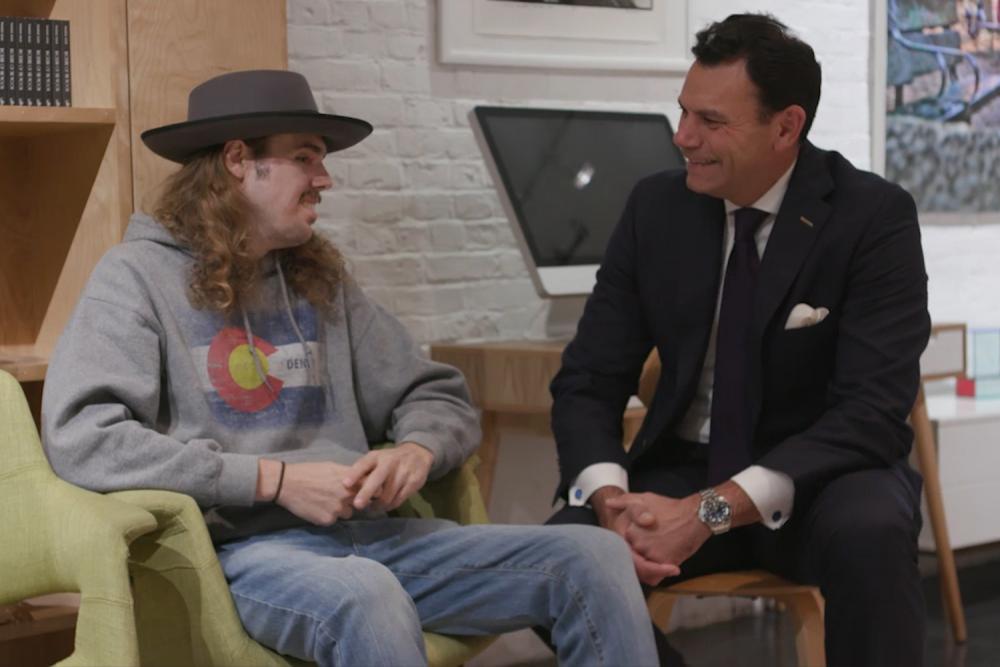
At 26, Cameron Underwood sat down for an interview and talked about going back to work and starting a family. Less than three years earlier, a gunshot wound had taken his nose, most of his lower jaw and all but one of his teeth. Speaking clearly had become difficult. Eating had become a medical challenge. Then, in January 2018, more than 100 medical professionals in New York took part in a 25-hour face transplant. The surgery made headlines that fall, but one of the clearest measures of what Cameron had gained came during an interview about his recovery. Asked about the face he now saw in the mirror, he said simply, “I see me.”
The operation began on the morning of January 5 at NYU Langone Health and continued into the following day. Led by reconstructive surgeon Dr. Eduardo D. Rodriguez, the team transplanted much of Cameron’s face using tissue donated by William Fisher, a 23-year-old New Yorker. Among the structures surgeons rebuilt were Cameron’s upper and lower jaws, the roof and floor of his mouth, his nose and his lower eyelids. The scope of that work helps explain what the transplant photographs could only partly show. His recovery would depend on how those structures worked together when he tried to speak, eat and move his face.
The injury that changed Cameron’s daily life
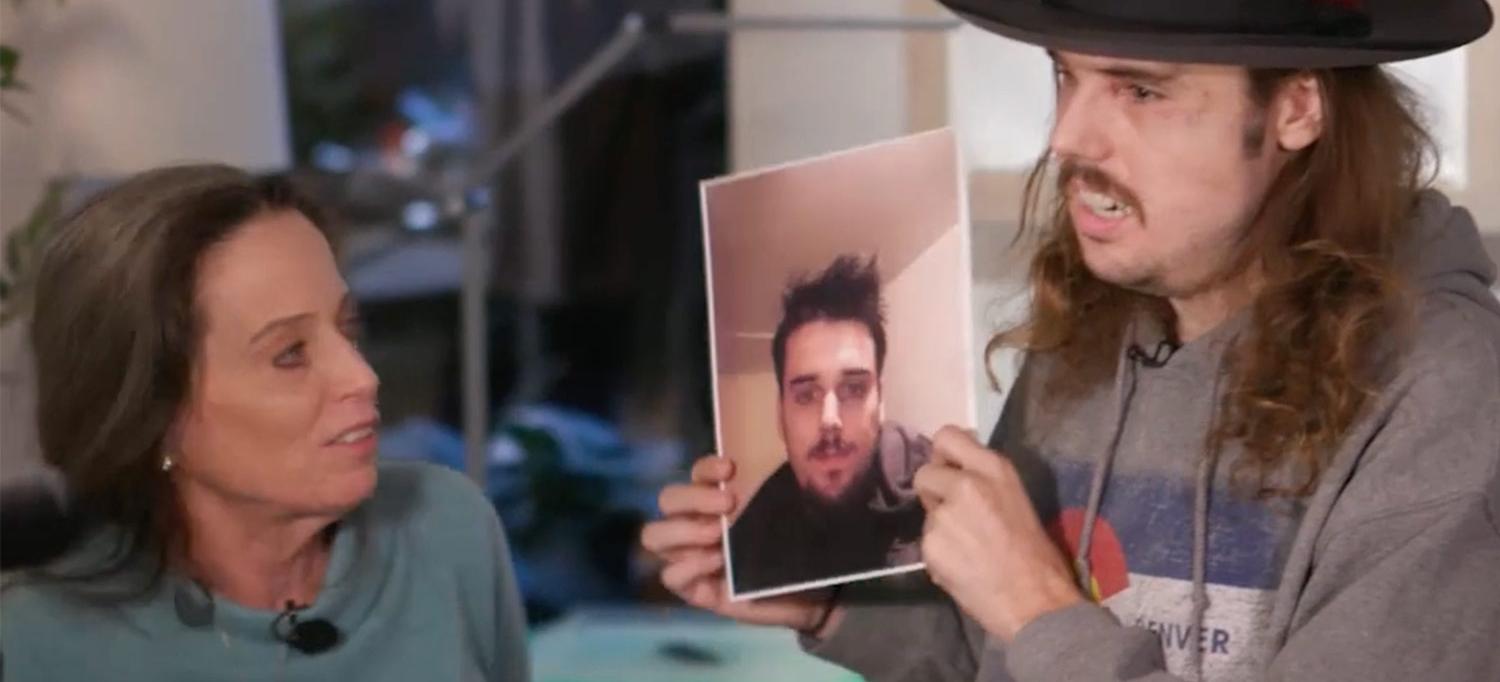
Cameron was from Yuba City, California, and worked as a welder and machinist. He liked fishing and snowboarding. In June 2016, he survived a suicide attempt that left him with a severe facial gunshot wound. His injuries extended through the middle and lower parts of his face, including the upper jaw and palate. Doctors attempted conventional reconstruction several times. Even after those efforts, Cameron was still missing most of his lower jaw, nearly all his teeth and his nose.
Take a single bite of food. The jaw needs enough stability to move, the teeth need to meet, and the lips and tongue need to guide the food through the mouth. Swallowing involves another set of coordinated movements. Damage to several of those structures can affect the entire sequence. Speech presents a similar problem. Forming words requires the mouth to change shape rapidly and precisely, with the lips, tongue and palate working together. For Cameron, the extent of the injury meant that the difficulties could follow him from the breakfast table into the first conversation of the day.
Facial expression also does work that people rarely stop to consider. A brief smile can acknowledge a greeting across a room. A change around the mouth can tell someone that a remark was meant as a joke. When an injury limits facial movement and makes speech harder to understand, two ways of communicating can become more difficult at once. The question for Cameron’s doctors was how much movement and function they could realistically restore, given how much tissue he had lost. That question would shape his evaluation, his surgery and the months of rehabilitation that followed.
A magazine story gave his family somewhere to turn
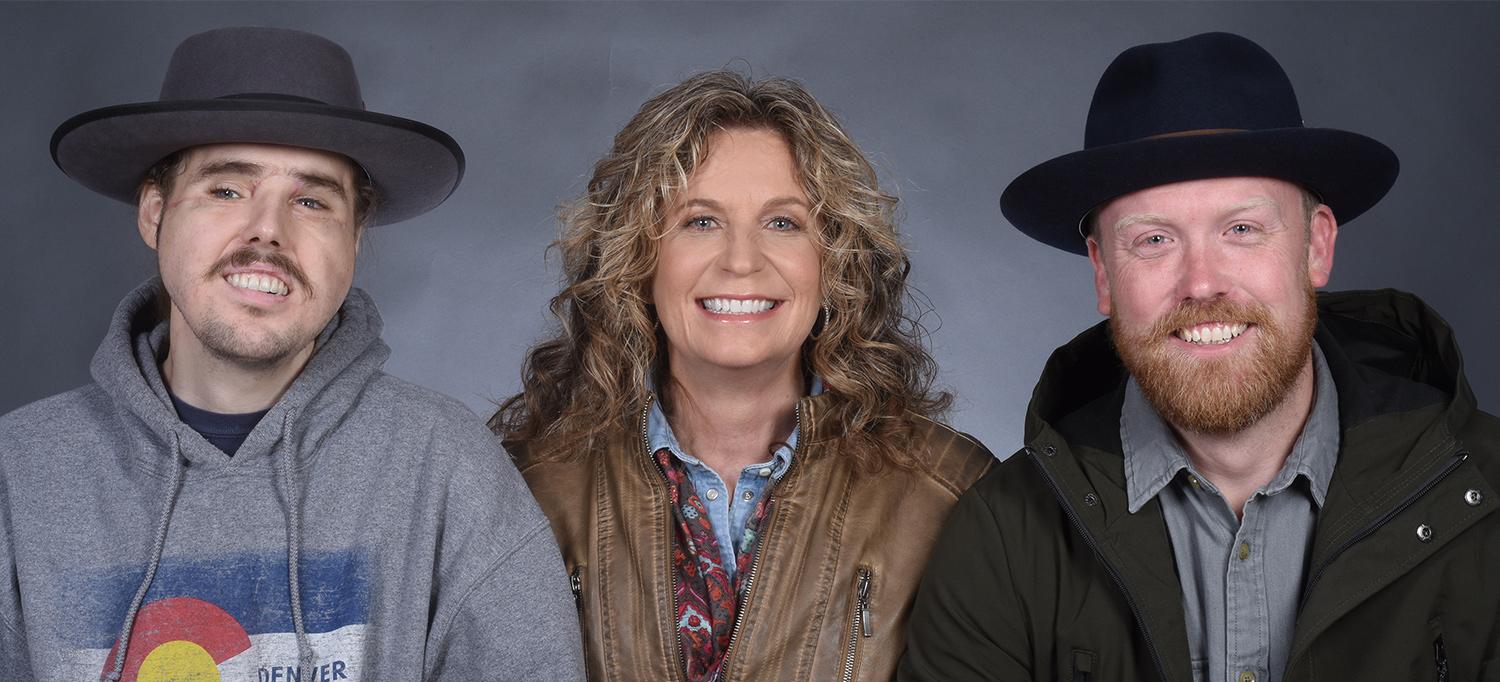
Cameron’s mother, Beverly Bailey-Potter, learned about Rodriguez through a magazine article about one of his earlier patients. She contacted NYU Langone, thousands of miles from the family’s home. The distance mattered. A transplant would require evaluations in New York, a cross-country trip on short notice if a donor became available, and time away from California after the operation. The family was willing to make the trip. They first needed to learn whether a transplant was possible for Cameron and what it would ask of him.
The team evaluated Cameron’s physical and psychological health before accepting him as a candidate. A face transplant asks a patient to make decisions about a future that is difficult to picture in advance. The person has to weigh the possibility of better function against a lengthy operation, months of rehabilitation and the risks of taking medication that suppresses the immune system. There is also the personal experience of waking up with a changed appearance and gradually getting accustomed to it. The evaluation gave the team and Cameron a chance to consider those demands before any donor was available.
Immunosuppressive medicines reduce the likelihood that the recipient’s body will attack the donated tissue. Face transplant recipients need to take these medicines for life, and the drugs can increase the risk of infections and other serious health problems. Rejection itself can require intensive treatment and can damage the transplant. Cameron was therefore taking on a new set of medical responsibilities in the hope of regaining abilities his previous surgeries had been unable to restore. He decided that the possibility of a fuller life was worth taking the chance.
The donor was a young man with plans of his own
Cameron joined the transplant waiting list in July 2017. About six months later, coordinators with LiveOnNY identified a potential donor in New York City. Their call set a series of evaluations in motion. The transplant team needed to determine whether the donor and Cameron were medically compatible and whether the donated tissue could meet the particular demands of Cameron’s reconstruction. When a face transplant includes the jaws, for example, the operation has to account for how those bones will fit with what remains of the recipient’s facial skeleton.
The potential donor was William Fisher, known as Will. He had registered as an organ donor in his teens. At 23, he was a Johns Hopkins University student with ambitions in writing and filmmaking. He was also an accomplished chess player. Those details give a sense of the young man his family had known before his name appeared in accounts of a medical first. He had interests he had spent years developing and work he hoped to do. When he died, his family was left to grieve the loss of the person they knew and the future they had imagined for him.
Will’s family consented to the donation. His mother, Sally Fisher, later spoke about the decision in the context of honoring something her son had chosen while he was alive. His donations helped other recipients as well as Cameron. For Sally, seeing what the transplant made possible for another family became a source of strength during a painful period. Her account gives the story a second point of view. While Cameron and his family were preparing for a trip that could change his future, the Fishers were making decisions about how to honor Will after his death.
A cross-country flight as a winter storm approached
Cameron was in California when word came that a donor had been identified. The trip to New York was about 2,800 miles, and a major winter storm was bearing down on the Northeast. The timing left little room for uncertainty. Cameron needed to reach the hospital in time for presurgical testing, while the teams in New York continued to evaluate the donor and prepare for the operation. Arrangements made in advance with a medical air transport service helped him reach New York in time.
By January 5, teams went to work in adjoining operating rooms. One prepared Cameron for the transplant while another recovered the donated facial tissue. Surgeons, nurses and other staff were part of an effort involving more than 100 medical professionals. The figure gives a sense of how many kinds of work the procedure called for. While surgeons focused on the reconstruction, staff had to maintain anesthesia, monitor Cameron continuously and keep the two operating rooms coordinated over the course of a full day and into the following morning.
What had to fit inside the operating room
The team transplanted upper and lower jawbones, teeth and gums, parts of the structures inside the mouth, the cheeks, lower eyelids and the nose. Cameron kept his upper eyelids and his own tongue, which also required reconstruction. The operation was planned around the parts of his face that could be preserved and the structures that needed replacing. Even familiar words like jaw and cheek can make this sound simpler than it was. A jaw provides a place for the teeth to sit, supports the surrounding soft tissue and has to move in a way that allows those teeth to come together. A cheek helps form the side of the mouth, where it has a role in keeping food between the teeth during chewing.
The team used three-dimensional computer models to study the proposed reconstruction before surgery. It also used custom cutting guides made with 3D printing. These tools helped surgeons translate measurements from the scans into decisions in the operating room. The hospital used CT imaging during the procedure to check the alignment of the bones and the positioning of the plates and screws that held them in place. For a patient hoping to chew more comfortably, the accuracy of that alignment could have consequences every time he closed his mouth.
Bone alignment was one part of a longer chain. The transplanted tissue needed an adequate blood supply. The face also contains nerves that carry signals for movement and sensation. After a transplant, recovery of movement and sensation takes time, and the outcome varies. A photograph taken after the swelling has gone down can show where features sit and how the face looks at rest. Speech and swallowing assessments capture a different kind of progress, including what happens when the patient tries to form a sound or move food through the mouth. Cameron’s team would have months to evaluate those functions as he healed.
The operation lasted about 25 hours. For Rodriguez and his colleagues, experience with previous face transplants gave them opportunities to identify where they could save time before this one began. Every hour mattered to the patient undergoing prolonged surgery and to the staff responsible for making decisions across a long shift. The end of the operation brought the first opportunity to see how Cameron’s body would respond to the transplanted tissue. His ability to use the structures the surgeons had reconstructed would become clearer over the months ahead.
From the hospital to a New York apartment, then home
Cameron’s first stretch of recovery took place at NYU Langone. After weeks in the hospital, he moved to a nearby apartment arranged through myFace, an organization that supports people with craniofacial differences. The apartment gave him a place to stay while he continued treatment close to the hospital. He received physical, occupational and speech therapy as an outpatient. He also underwent orthodontic treatment for several months. Those appointments show how many kinds of care can be involved after a face transplant, even once the patient is well enough to leave the hospital.
Speech therapy gave Cameron a way to work on movements that other people make automatically. A person forming a sentence relies on small adjustments from one sound to the next. The lips may need to close briefly, then part as the tongue changes position. The pace of an ordinary conversation gives the speaker little time to think through those movements consciously. For someone adapting to a reconstructed mouth, therapy allows individual sounds and movements to be worked on before putting them together. The gains may show up in something as simple as getting through more of a conversation without having to repeat a word.
Eating brought its own challenges. Cameron was able to return to solid food as his recovery progressed, a change that mattered in a way anyone who has sat down to dinner with family could understand. His doctors still identified chewing and swallowing among the functions that required work. Both things could be true at the same time. A person can regain the ability to eat a wider range of foods and still need help refining how the teeth meet or how the muscles coordinate. A meal can become more enjoyable while still demanding attention. That is the kind of progress a recovery timeline can easily flatten into a single milestone.
On March 29, roughly eleven weeks after surgery, Cameron returned to Yuba City in time for Easter. He went home several weeks earlier than expected. Being back in California meant having familiar surroundings and family close by. His care still stretched across the country. By November 2018, he was traveling back to New York monthly for follow-up visits. Rodriguez and his team had also performed smaller operations after the initial transplant, as swelling subsided and they could better assess where further work might help.
What Cameron saw in the mirror
Face transplantation raises an intensely personal question. What does it feel like to recognize yourself when familiar features have changed? It is a question the medical team can prepare for but only the recipient can answer. Cameron said he recognized himself, including his eyes, and was growing accustomed to his face. His answer had the plainness of someone describing an experience he was having day by day. The appearance that had taken a surgical team a full day to reconstruct was becoming the face he saw in the mirror every morning.
By the time he spoke publicly about his recovery that November, Cameron had returned to activities he enjoyed, including golfing and working on cars. He had also gone skydiving. The skydive was the eye-catching detail, especially less than a year after a transplant of that scale. The cars told another part of the story. As someone who had worked as a welder and machinist, Cameron had already spent much of his life doing things with his hands. Getting back to a project in a garage gave him something familiar to think about and something he could choose to spend his time on.
When Cameron discussed his plans, he spoke about going back to work and starting a family. Those were still hopes when he shared them. For much of the previous two years, his calendar had been shaped by medical decisions, first by attempts at reconstruction, then by screening, a wait for a donor, surgery and more appointments. Talking about work and family gave him room to consider a future on a different timescale. He could think about what he might want to do over the next few years, even as he kept up with what his recovery required that month.
Meeting the family who made the transplant possible
Cameron and his family met Will Fisher’s family after the transplant. By that point, Cameron had spent months living with the consequences of a decision the Fishers had made in the immediate aftermath of losing Will. He had been home to California, continued therapy and returned to some of the pursuits he enjoyed. When he thanked the family, he could speak about what the donation had already changed in his life.
Cameron said he would remember what Will and his family had given him. Sally Fisher, in turn, spoke about how much it meant to her that Will could help Cameron have a better life. Both talked about the future, although they were looking at it from different places. Cameron was getting to make plans of his own again. Sally could see the effect of a choice her son had made as a teenager, years before any of them could have known where it would lead. By publicly sharing Will’s name and details about his life, the families also gave readers a chance to know something about the person whose donation had made the operation possible.
The years of care behind a 25-hour headline
Cameron’s case also illustrates some of the practical demands of a face transplant. A patient needs access to a specialized center, a compatible donor and a team that can continue providing care long after the operation. In Cameron’s case, private insurance paid a significant portion of the costs associated with his treatment, and other funding helped cover the rest. Housing near the hospital mattered, too. For someone who lives across the country, an appointment can involve a flight, time away from work or family and a place to stay. Those practical details influence how a patient can keep up with care after returning home.
Long-term care includes taking anti-rejection medication, attending follow-up appointments and working with specialists as needed. It also includes the work of rebuilding a daily routine around those responsibilities. A patient can be sitting across from friends at dinner one evening and preparing for a transplant appointment the next morning. By the time Cameron spoke publicly, the operation itself had been over for nearly a year. The relationship between his everyday activities and his medical care was still developing, just as his speech, chewing and other functions were still improving.
Cameron’s account of looking in the mirror was striking partly because the question that prompted it was so personal. Surgeons could explain what they had rebuilt. Therapists could measure changes in movement or speech. Cameron could describe what it felt like to live with the result. In the first year, that meant recognizing himself in the mirror, having more ways to spend time with the people close to him and talking about work and family again. Those plans were still his to make. After months in which so much depended on a waiting list, a surgical team and the long work of healing, he could sit down, say what he wanted next and be heard.